


PVC Stabilizer: The Core Key to Unlocking PVC Product Performance – A Comprehensive Guide from Types to Applications
Imagine this: the PVC drain pipe in your home has been used for 5 years without cracking or aging; the transparent PVC display stand in the shopping mall can withstand sun and rain; the PVC parts of children’s toys feel safe and odorless. Behind all this “durability and reliability” lies a key component: PVC stabilizer. As an indispensable additive in PVC processing, it acts like a “guardian” that addresses the inherent “shortcomings” of PVC materials, enabling various PVC products to perform stably. Today, we will fully understand the value of PVC stabilizer from aspects of types, uses, and application scenarios!

I. Why Can’t PVC Products “Do Without” PVC Stabilizer?
PVC (polyvinyl chloride) itself is a cost-effective plastic, but it has a fatal flaw: poor thermal stability. During processing (such as extrusion and injection molding, where temperatures usually range from 160℃ to 220℃), PVC molecules undergo “thermo-oxidative aging” due to high temperatures, resulting in discoloration, decomposition, and even the release of harmful gases. Even after being made into finished products, long-term exposure to sunlight and humidity changes will cause them to gradually become brittle, crack, and fade.
The core function of PVC stabilizer is to “prevent this aging process”: it can capture harmful ions generated by PVC decomposition, slow down the breakage of molecular chains, and at the same time resist the erosion of ultraviolet rays and humidity on products. This transforms PVC from “easily damaged” to “durable and tough” – without it, 80% of the PVC products we see in daily life cannot be normally produced or used!
II. Core Types of PVC Stabilizer: Choose the Right One for Efficiency
Different PVC products have different uses, environmental requirements, and processing technologies, so the corresponding PVC stabilizers are also subdivided. Currently, the mainstream types on the market can be divided into 4 categories, each with its own advantages and suitable scenarios:
1. Calcium-Zinc PVC Stabilizer: The “Main Force” in the Environmental Field
- Features: Lead-free, heavy metal-free, compliant with environmental standards such as EU RoHS and US FDA. It has high safety and good compatibility, and will not cause “white precipitation” on PVC products.
- Applicable Scenarios: Food-contact PVC products (such as disposable PVC food containers, beverage straws), children’s toys, medical PVC catheters, and environmentally friendly home decoration profiles (such as PVC baseboards) – after all, “heavy metal-free” is a rigid requirement for such scenarios.
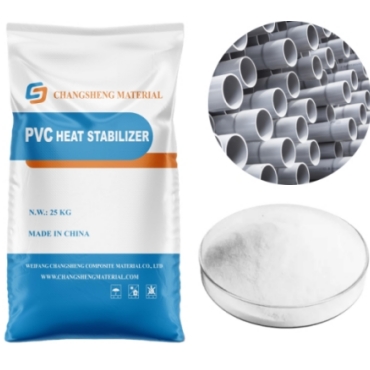
2. Organotin PVC Stabilizer: The “Performance Leader” for High-End Products
- Features: Extremely high thermal stability efficiency, which can keep PVC “zero decomposition” during high-temperature processing. It also has excellent transparency, which will not affect the light transmittance of PVC products, and its weather resistance is better than other types.
- Applicable Scenarios: High-end transparent PVC products (such as cosmetic packaging films, PVC crystal panels), PVC insulation layers for precision electronic components, and transparent PVC parts for automotive interiors (such as instrument panel protective films) – it is the first choice for scenarios with high requirements for “high-temperature resistance” and “appearance”.
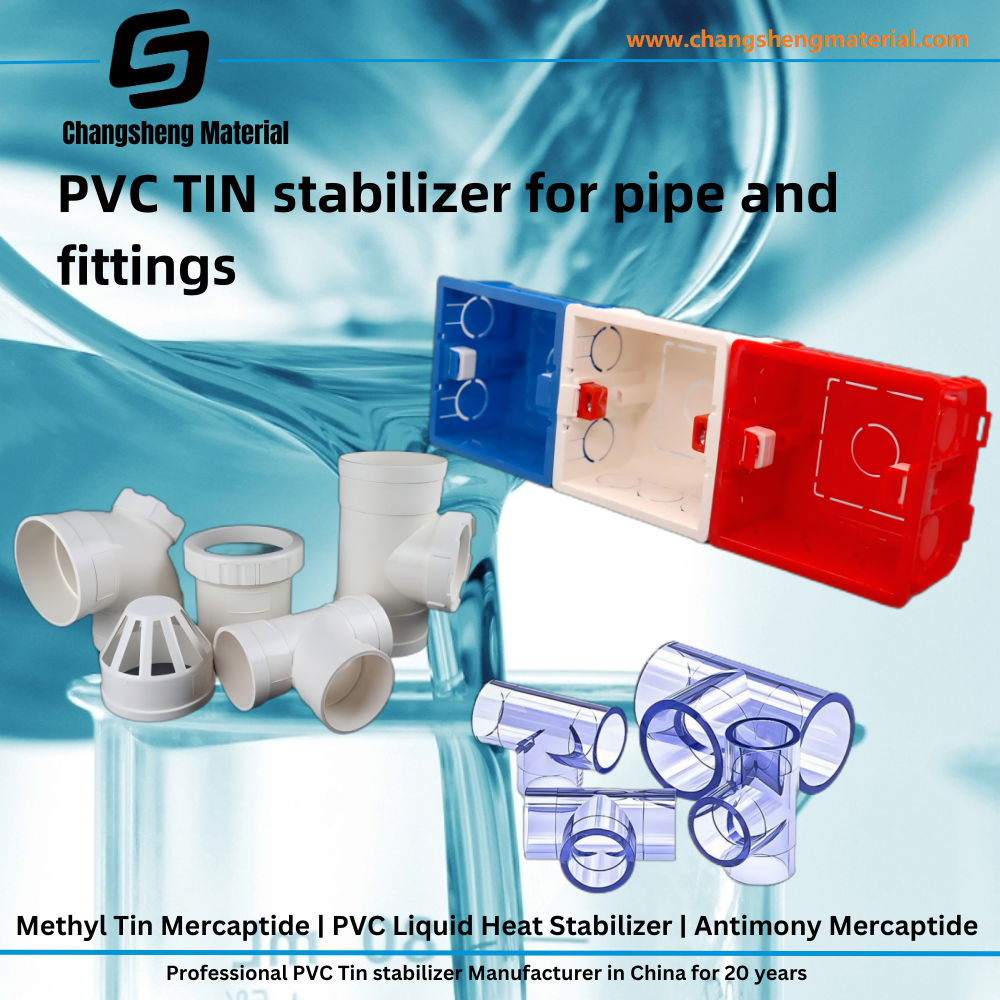
3. Lead Salt PVC Stabilizer: The “Cost-Effective Choice” for Traditional Industries
- Features: Strong thermal stability effect, low price, and outstanding weather resistance, which can make PVC products resistant to aging during long-term outdoor use.
- Applicable Scenarios: Industrial-grade PVC products without strict environmental requirements (such as outdoor PVC fences, engineering PVC drain pipes, low-voltage PVC cable sheaths) – such scenarios focus more on “cost + durability”, so lead salt stabilizers are still widely used (Note: They must comply with environmental regulations in specific regions).
4. Rare Earth PVC Stabilizer: The “Potential Star” in the Innovation Field
- Features: Made of rare earth elements (such as lanthanum, cerium), it has three functions: thermal stability, light stability, and toughening. It has low dosage but high efficiency, and can also improve the impact resistance of PVC products.
- Applicable Scenarios: High-end PVC pipes (such as municipal high-pressure water supply pipes), PVC profiled materials (such as villa exterior wall decorative panels), and cold-resistant PVC products (such as PVC snow fences for outdoor use in northern regions) – suitable for innovative products that require “multi-function integration”.
III. Key Uses of PVC Stabilizer: Guarding the “Full Life Cycle” of Products
In addition to the core “thermal stability”, PVC stabilizers can also achieve multiple functions through different formulations, covering the entire process of PVC products from production to use:
1. Thermal Stability: Ensuring “Zero Risk” in Processing
This is the most basic function of PVC stabilizers. During PVC processing such as extrusion and injection molding, they can quickly neutralize hydrogen chloride (HCl) generated by PVC decomposition, prevent “uncontrolled breakage” of molecular chains, and avoid scorch marks, discoloration, and embrittlement of products. For example, when producing PVC pipes, without high-quality thermal stability, impurities will appear on the inner wall of the pipes, affecting water delivery efficiency.
2. Light Stability: Resisting “Sun and Rain” Outdoors
PVC products used outdoors (such as billboards, sunshades, and agricultural PVC irrigation pipes) are prone to “aging and fading” after long-term exposure to ultraviolet rays and rain. PVC stabilizers added with light-stabilizing components can act like a “sunscreen” to absorb or reflect ultraviolet rays and slow down the aging rate of products – usually extending the service life of outdoor PVC products from 3 years to 8-10 years.
3. Processability Improvement: Making Production “Smoother”
High-quality PVC stabilizers can also improve the fluidity of PVC melts, reduce the wear of materials on equipment (such as screws and molds) during processing, and at the same time avoid “pits” and “scratches” on the product surface. For example, when producing PVC films, stable processability is essential to ensure uniform thickness and smooth surface of the films.
IV. 5 Main Application Fields of PVC Stabilizer: Penetrating “Every Aspect” of Life
From industrial production to daily consumption, PVC stabilizers can be seen almost everywhere. You must be familiar with the following fields:
1. Construction and Building Materials: Supporting a “Safe and Durable” Home
- Scenario Examples: PVC drain pipes, wire and cable conduits, door and window profiles, floor leather, wallpaper
- Role of Stabilizers: PVC products for construction need to withstand temperature differences and humidity changes for a long time. Calcium-zinc or lead salt PVC stabilizers can ensure that pipes do not crack and profiles do not deform. For example, PVC wire conduits used in home decoration will not affect the insulation of wires due to moisture and aging even if they are buried in the wall for 10 years.
2. Packaging Industry: Guarding “Freshness and Safety”
- Scenario Examples: Food packaging films (such as cling film), cosmetic hoses, PVC sheets for pharmaceutical packaging
- Role of Stabilizers: Such scenarios have extremely high requirements for “safety”. Organotin or calcium-zinc PVC stabilizers (compliant with FDA standards) can ensure that the packaging is odorless and free of heavy metal migration. For example, food cling film will not release harmful substances even when in contact with oil and high temperatures (such as microwave heating).
3. Electronics and Electrical Industry: Ensuring “Reliable Insulation”
- Scenario Examples: PVC insulation layers for wires and cables, electronic component housings, PVC protective covers for charging piles
- Role of Stabilizers: PVC products in the electronic field need to withstand high temperatures (such as heat generated by energized wires) and meet insulation requirements. Organotin or rare earth PVC stabilizers can ensure that the insulation layer does not age or leak electricity. For example, the PVC insulation layer of household wires will not become brittle and fall off due to heat during long-term use.
4. Automotive Industry: Creating “Durable Interiors”
- Scenario Examples: PVC car floor mats, door interior panels, instrument panel protective films, wire harness insulation sleeves
- Role of Stabilizers: Automotive interiors need to withstand high temperatures (the temperature inside the car can reach above 60℃ in summer) and friction. Organotin or calcium-zinc PVC stabilizers can ensure that the interiors do not fade or deform. For example, PVC car floor mats will not crack even after years of stepping.
5. Daily Necessities and Toys: Guarding “Safety Details”
- Scenario Examples: Children’s PVC toys, PVC gloves, raincoats, hot water bags
- Role of Stabilizers: Products that are in direct contact with the human body must use environmentally friendly calcium-zinc PVC stabilizers to ensure they are heavy metal-free and odorless. For example, children’s PVC toys will not pose health risks even if they are bitten by children (in compliance with safety standards).
V. Innovation Directions of PVC Stabilizer Under the Wave of Environmental Protection
With the tightening of global environmental regulations (such as EU REACH and China’s GB 6675 Toy Safety Standard), PVC stabilizers are also upgrading towards “more environmentally friendly and efficient”:
- Lead-free Has Become the Mainstream: Lead salt stabilizers are gradually being replaced by environmentally friendly types such as calcium-zinc and organotin. Especially in the food, toy, and medical fields, “lead-free” has become an entry threshold;
- Low-VOC Formulations: New PVC stabilizers reduce the release of volatile organic compounds (VOC) through formula optimization, making them more suitable for enclosed scenarios such as interior decoration and automotive interiors;
- Multi-Functional Composite: Integrate functions such as thermal stability, light stability, toughening, and antistatic into one stabilizer, reducing the amount of additives and lowering PVC processing costs.
Conclusion: Choosing the Right PVC Stabilizer Means Choosing the “Competitiveness of Products”
Whether producing a PVC pipe or developing a high-end PVC package, the choice of PVC stabilizer directly determines the quality, safety, and service life of the product. If you are a PVC product manufacturer, you need to select the appropriate type of stabilizer based on the product scenario (such as whether it is in contact with food or used outdoors), environmental requirements, and processing technology; if you are a purchaser, you can also judge the product quality by checking “whether it contains environmentally friendly stabilizers”.
In the future, with the expansion of PVC materials in new energy (such as PVC backsheets for photovoltaic modules) and medical fields, PVC stabilizers will usher in more innovations – it is not only the “guardian” of PVC products but also the “core driving force” for promoting the upgrading of the PVC industry!